


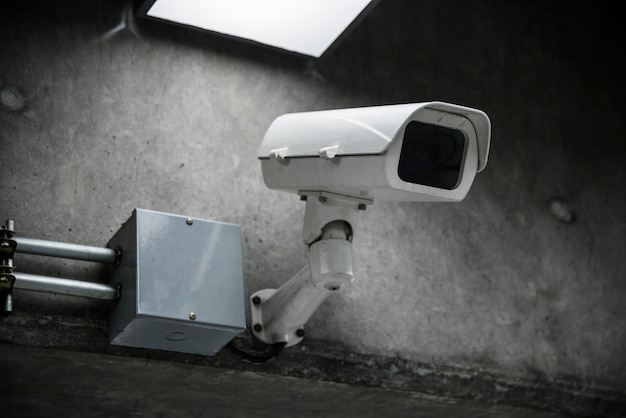
Security is a top priority for both homes and businesses, and a well-planned CCTV installation is an effective way to monitor and protect your property. Closed-circuit television (CCTV) systems deter crime, provide real-time surveillance, and offer valuable evidence in case of incidents. To ensure maximum effectiveness, professional installation is essential. This guide outlines the step-by-step process for a seamless CCTV setup, ensuring reliable performance and long-term security.
1. Assess Your Security Needs
The first step in any CCTV installation is evaluating your security requirements. Identify areas that require monitoring, such as entry points, hallways, parking lots, or outdoor perimeters.
Consider the level of surveillance needed, do you want full-time monitoring, motion-triggered recording, or remote access via mobile devices? By understanding your specific security goals, you can determine the type and number of cameras needed for comprehensive coverage.
2. Choose the Right CCTV System
Selecting the right CCTV system is crucial for reliable security. Options include analog, IP (Internet Protocol), and wireless cameras, each with distinct features and installation requirements.
Professional installers can recommend cameras based on resolution, night vision capabilities, field of view, and weather resistance for outdoor use. Choosing the right equipment ensures that your CCTV installation delivers high-quality footage and meets your security needs effectively.
3. Plan Camera Placement
Proper placement of cameras is key to effective surveillance. Avoid blind spots and ensure critical areas are covered. Cameras should be installed at a height that prevents tampering while capturing clear images.
A professional installer will create a layout plan, determining optimal angles and positions for indoor and outdoor cameras. This planning stage ensures your CCTV system provides maximum coverage and reduces the need for adjustments after installation.
4. Prepare Wiring and Connectivity
For wired CCTV systems, running cables through walls, ceilings, or conduits is an essential step. Proper wiring ensures consistent power supply and signal transmission. Wireless cameras may require strong Wi-Fi connections and secure network configurations.
Professional CCTV installation teams handle this process efficiently, ensuring cables are neatly installed and network connections are secure, minimizing interference or downtime.
5. Install Cameras and Recording Equipment
Once the wiring and layout are ready, cameras are mounted, and recording devices such as DVRs (Digital Video Recorders) or NVRs (Network Video Recorders) are connected. The installer tests each camera to confirm correct angles, focus, and coverage.
This step also includes setting up motion detection, alerts, and remote access features to optimize the system for real-time monitoring and recording.
6. Configure and Test the System
After installation, the CCTV system must be configured for optimal performance. Settings such as resolution, frame rate, recording schedules, and storage capacity are adjusted.
Professional installers conduct thorough testing to ensure all cameras function correctly, recordings are clear, and alerts are properly configured. Testing guarantees that your CCTV installation is fully operational and ready to provide reliable security.
Conclusion
A professional CCTV installation involves careful planning, equipment selection, proper placement, wiring, setup, and thorough testing. By following these steps, you can ensure your property is monitored effectively, deterring potential threats and providing valuable surveillance footage when needed. Investing in professional installation not only enhances security but also ensures your system operates efficiently, giving you peace of mind and reliable protection for years to come.