


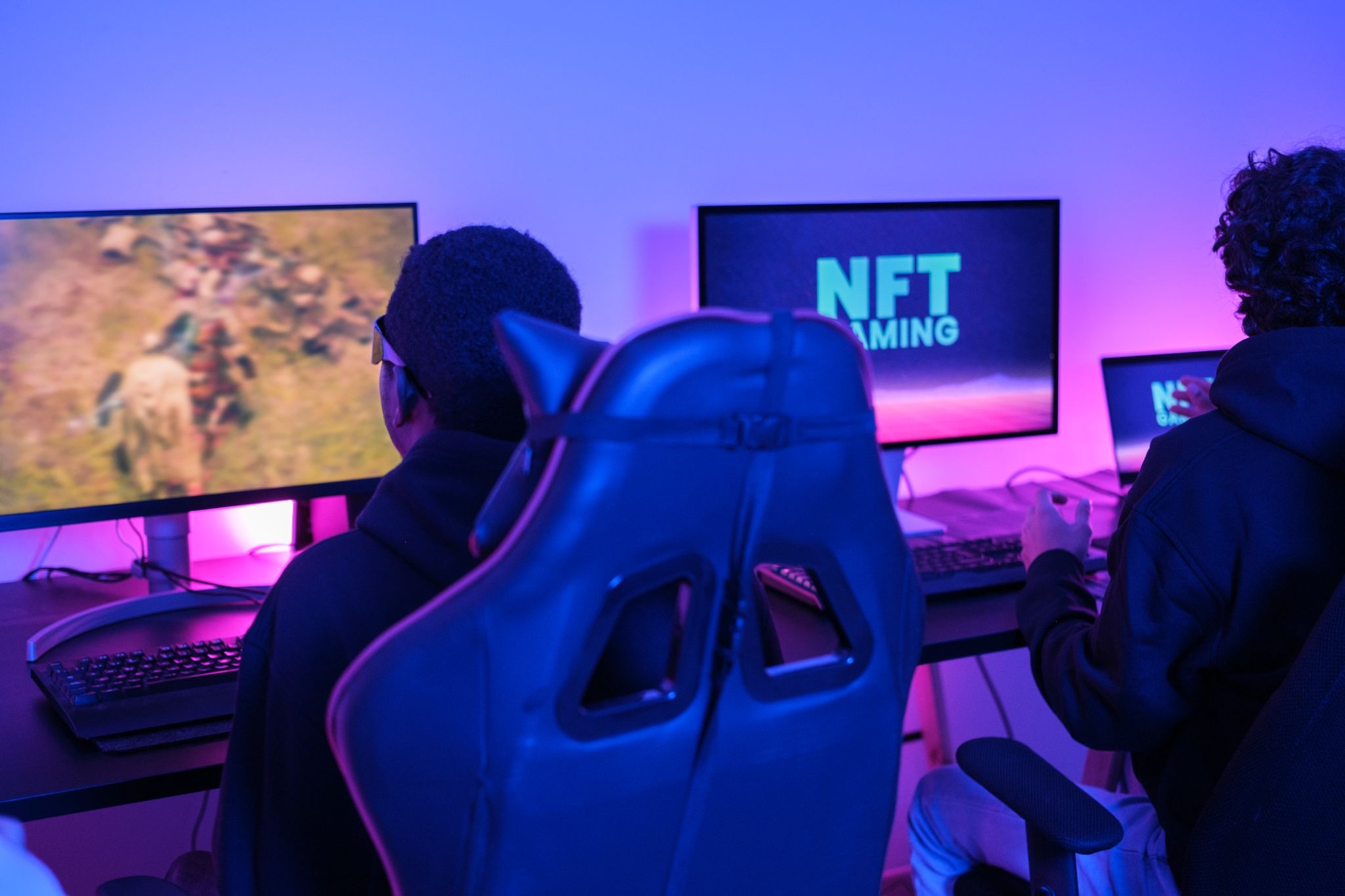
Gaming has changed. It is no longer just about fun or competition. Today, players can earn real value from their time and skills. This shift is driven by NFT gaming ecosystems, which combine blockchain technology with digital ownership.
At the center of this change are play-to-earn games. These games allow players to earn tokens or assets that have real-world value. Unlike traditional games, where items are locked inside closed systems, blockchain-based games give players control.
This guide explains how NFT gaming ecosystems work, how blockchain gaming supports them, and why gaming NFTs are reshaping the future of play.
What Are NFT Gaming Ecosystems?
NFT gaming ecosystems are interconnected systems where games, players, assets, and economies operate on blockchain networks. They are not just single games. They are living in digital environments.
In these ecosystems, players own in-game assets as NFTs. These assets can be traded, sold, or used across platforms. Ownership is recorded on the blockchain, not controlled by a game studio.
Blockchain gaming removes the traditional middleman. Players interact directly with smart contracts and marketplaces. This creates transparency and trust.
Core Components of NFT Gaming Ecosystems
Every NFT gaming ecosystem relies on a few essential elements.
Blockchain infrastructure secures ownership and transactions. In-game economies allow assets and tokens to flow. Communities help govern and grow the ecosystem.
Together, these components create a system where players are participants, not just users.
How Play-to-Earn Games Work
Play-to-earn games reward players for contributing value. This value can come from time, skill, or creativity. Instead of spending money to play, players earn by playing.
In traditional games, rewards stay inside the game. In play-to-earn games, rewards exist on the blockchain. Players can convert them into other assets or currencies.
The economic loop is simple. Players play. They earn assets or tokens. Those assets are reused, traded, or reinvested into the game.
Types of Play-to-Earn Game Models
Not all play-to-earn games work the same way.
Some reward skills. Better players earn more. Others reward time and consistency. Competitive models reward winners in tournaments or ranked modes.
Healthy ecosystems balance these models to avoid exploitation and burnout.
The Role of Gaming NFTs in Blockchain Gaming
Gaming NFTs represent ownership. They turn digital items into assets that players control.
Unlike traditional in-game items, NFTs cannot be deleted or altered by developers. Their scarcity and history are verifiable.
This changes how players value digital goods. Items are no longer disposable. They become part of a personal collection.
Common NFT Asset Types in Games
Most blockchain gaming platforms use similar NFT categories.
Characters and avatars define player identity
Weapons, skins, and items affect gameplay
Virtual land supports building and monetization
These NFTs often gain value based on utility, rarity, and demand.
Token Economics Inside NFT Gaming Ecosystems
Tokens power the economy of NFT gaming ecosystems. They are used for rewards, transactions, and governance.
Some tokens act as in-game currency. Others give voting rights or access to features. Strong token design is essential for sustainability.
Poor tokenomics can collapse an ecosystem. Too much inflation reduces value. Too little reward kills participation.
Incentive Design in Play-to-Earn Games
Good incentive design rewards contribution, not exploitation.
Players earn for meaningful actions. Creators earn for building content. Validators earn for securing the network.
The goal is balance. Tokens should circulate, not flood the market.
Player Ownership and Decentralization
Ownership is the core promise of blockchain gaming. Players truly own what they earn.
NFTs sit in player wallets, not game servers. This allows open trading and cross-platform use.
Decentralization also shifts power. Decisions can be made by communities instead of studios. This creates shared responsibility.
Interoperability is the next step. Assets moving between NFT gaming ecosystems could unlock massive value.
Benefits of NFT Gaming Ecosystems
NFT gaming ecosystems offer benefits beyond entertainment.
They provide financial access to players worldwide. Anyone with internet access can participate.
They create new income streams. Skilled players, artists, and developers all benefit.
Transparency builds trust. Blockchain gaming removes hidden rules and unfair advantages.
Creators also gain. They earn royalties and maintain ownership of their work.
Challenges and Risks in Play-to-Earn Models
Despite promise, challenges exist.
Economic sustainability is the biggest issue. Many play-to-earn games fail due to inflation.
High entry costs can block new players. Some games require expensive NFTs to start.
Market volatility affects earnings. Token prices fluctuate.
Security risks also exist. Scams and exploits target inexperienced players.
Education and better design are key to solving these problems.
The Future of NFT Gaming Ecosystems
NFT gaming ecosystems are evolving. Many are moving beyond play-to-earn.
The future points toward play-and-own models. These focus on fun first, earning second.
Integration with metaverse platforms is increasing. Games are becoming social worlds.
Technology will improve. Faster blockchains and better interfaces will lower barriers.
Gaming NFTs are likely to become standard digital assets.
Conclusion
NFT gaming ecosystems represent a major shift in gaming. They give players ownership, choice, and opportunity. Play-to-earn games prove that value can flow both ways. Players are no longer just consumers. Blockchain gaming is still early. Mistakes will happen. But the direction is clear. Gaming NFTs are redefining what it means to play, earn, and own in digital worlds.
FAQs About NFT Gaming Ecosystems
1. Are play-to-earn games profitable?
They can be, but profits depend on time, skill, and market conditions.
2. Do players really own gaming NFTs?
Yes. Ownership is recorded on the blockchain and stored in personal wallets.
3. Is blockchain gaming sustainable long term?
Sustainability depends on strong tokenomics and active communities.
4. How do beginners start with NFT gaming ecosystems?
Start with free-to-play blockchain games and learn before investing.
5. Are NFT gaming ecosystems safe?
They can be, but players should research projects and protect wallets carefully.