


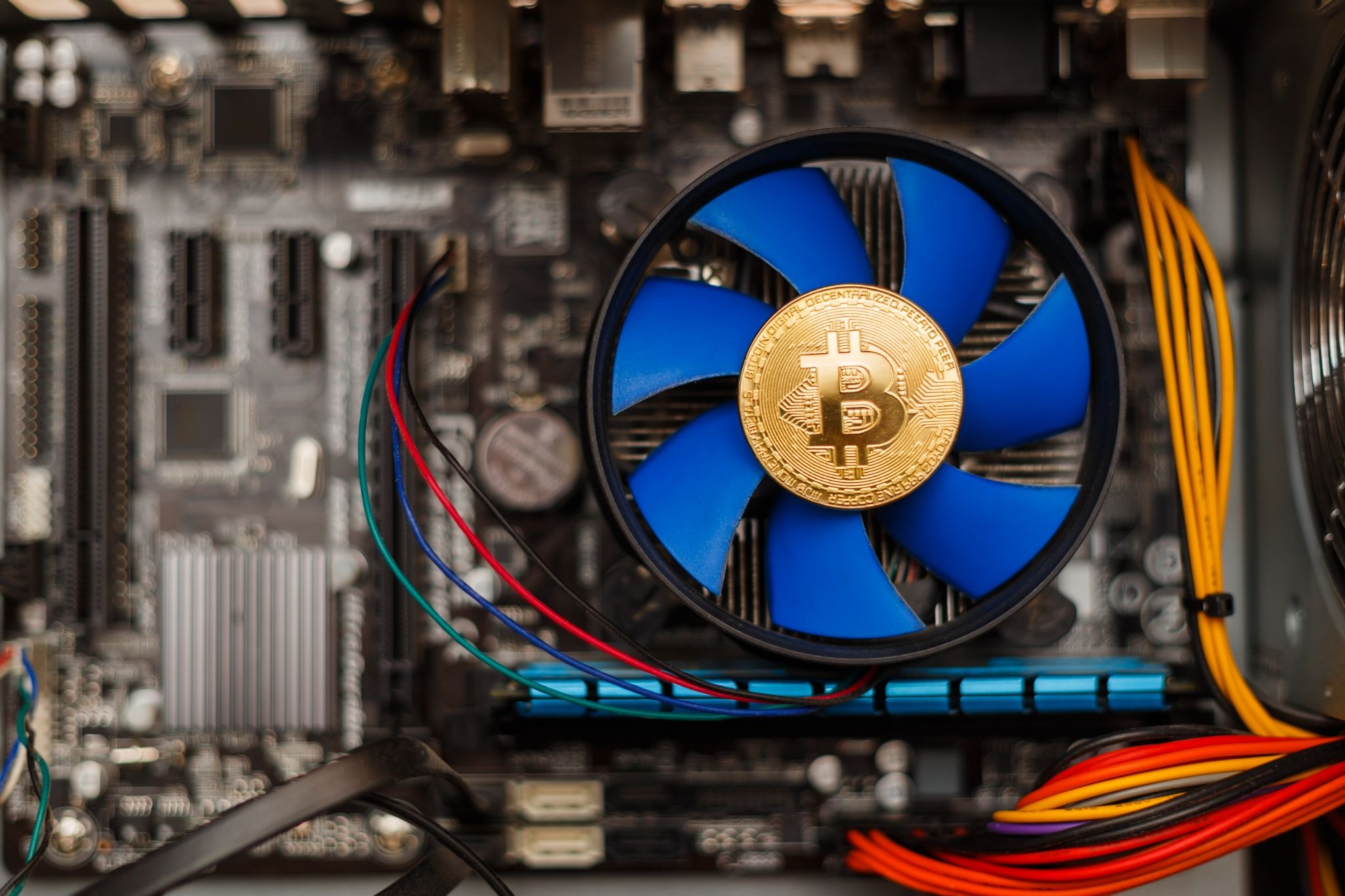
Crypto mining is no longer just about raw power. Today, electricity costs can decide whether you make a profit or operate at a loss. As mining difficulty rises and rewards fluctuate, energy efficient mining has become a necessity, not an option.
Miners across the world are now shifting toward low-power mining strategies to protect margins, reduce environmental impact, and stay competitive. The good news is that you don’t need a massive farm or expensive infrastructure to improve efficiency. Small changes can make a big difference.
In this guide, we’ll break down seven practical and proven ways to reduce crypto mining costs while improving mining profitability and supporting eco-friendly crypto practices.
What Is Energy Efficient Mining?
Energy efficient mining means producing the highest possible hashrate while consuming the least amount of electricity. It focuses on performance per watt rather than brute-force power.
Traditional mining setups often chase maximum output. This approach can lead to high energy bills, overheating, and hardware degradation. In contrast, energy efficient mining prioritizes smarter resource use, optimized hardware, and long-term sustainability.
Low-power mining doesn’t mean low rewards. When done correctly, it can actually improve profitability by lowering operating costs and extending equipment lifespan.
Why Energy Efficiency Matters in Crypto Mining Today
Electricity prices are rising worldwide. At the same time, governments are increasing scrutiny on energy-heavy industries, including crypto mining. Efficient miners are better positioned to adapt to regulation and market changes.
Efficiency also reduces environmental impact. As eco-friendly crypto gains attention, miners who operate responsibly can future-proof their operations.
1. Choose Low-Power Mining Hardware
Your hardware choice is the foundation of energy efficient mining. Older machines may be cheaper upfront, but they often consume far more electricity for the same output.
Modern ASICs and GPUs are designed to deliver higher hashrates at lower power consumption. The key metric to look for is efficiency, usually measured in watts per terahash (W/TH).
Low-power mining hardware may cost more initially, but it often pays for itself through reduced electricity bills and better long-term performance.
Best Hardware Features for Low-Power Mining
Efficient chips, better cooling design, and stable performance under undervolting are all signs of good hardware. Always evaluate the total cost of ownership, not just the purchase price.
2. Optimize Mining Software and Firmware
Mining software plays a huge role in energy consumption. Default settings are rarely optimized for efficiency.
Custom firmware and advanced mining software allow you to fine-tune performance. Features like dynamic frequency scaling and auto-tuning help balance power usage with hashrate.
Small adjustments can significantly reduce wasted energy without hurting output.
Key Software Tweaks for Energy Efficient Mining
Undervolting is one of the most effective techniques. It lowers power draw while keeping performance stable. Monitoring tools also help identify inefficiencies before they become costly problems.
3. Use Renewable and Alternative Energy Sources
One of the biggest expenses in mining is electricity. Renewable energy can dramatically lower costs over time while supporting eco-friendly crypto goals.
Solar, wind, and hydro power are increasingly popular among miners. Some operations even use excess or stranded energy that would otherwise go to waste.
While setup costs can be high, renewable energy provides long-term stability and insulation from rising energy prices.
Cost vs. Benefit of Renewable Mining Setups
Renewables require planning and upfront investment. However, many miners break even within a few years. In regions with abundant sunlight or water, the savings can be substantial.
4. Improve Cooling and Heat Management
Cooling is often overlooked, yet it consumes a large share of mining energy. Poor cooling increases power usage and shortens hardware lifespan.
Heat reduces efficiency. When machines overheat, they throttle performance or fail altogether. Proper airflow and temperature control are essential.
Efficient cooling keeps hardware running at optimal levels with less energy waste.
Energy-Saving Cooling Techniques
Simple changes like improving airflow or relocating equipment to cooler environments can help. Advanced methods such as immersion cooling reduce fan usage and increase efficiency. Some miners even reuse excess heat for buildings or greenhouses.
5. Join Energy-Efficient Mining Pools
Solo mining requires more power and time to achieve consistent rewards. Mining pools offer a more stable income and better efficiency.
Well-managed pools optimize workloads and reduce wasted computational effort. This leads to better energy usage per mined coin.
Choosing the right pool can directly affect mining profitability.
Choosing a Pool That Supports Mining Profitability
Look for pools with transparent fees, efficient payout systems, and a reputation for reliability. Some pools actively promote eco-friendly crypto initiatives and sustainable practices.
6. Mine Energy-Efficient Cryptocurrencies
Not all cryptocurrencies are equal when it comes to energy use. Some networks are designed specifically for low-power mining.
Coins with lower network difficulty or alternative consensus mechanisms require less computational effort. This makes them more accessible to small and energy-conscious miners.
Mining energy-efficient coins can help maintain profitability even with limited resources.
Low-Energy Coins for Eco-Friendly Crypto Mining
Research is key. Focus on coins with active development, realistic rewards, and reasonable difficulty levels. Energy efficiency should always be balanced with long-term viability.
7. Monitor, Measure, and Continuously Optimize
Energy efficient mining is not a one-time setup. Conditions change, and so should your strategy.
Tracking power usage, temperatures, and performance helps identify inefficiencies early. Data-driven decisions lead to consistent improvements.
Regular monitoring can reveal small problems before they become expensive failures.
Tools for Measuring Energy Efficient Mining Performance
Power meters, mining dashboards, and profitability calculators provide valuable insights. Even simple tracking can lead to noticeable savings over time.
Common Mistakes That Reduce Mining Profitability
Many miners focus only on hashrate and ignore energy costs. This often leads to lower profits despite higher output.
Overclocking without testing efficiency is another common mistake. It increases power consumption and heat while reducing hardware lifespan.
Poor infrastructure planning, especially around cooling and power delivery, can quietly drain profits.
The Future of Energy Efficient and Eco-Friendly Crypto Mining
The mining industry is evolving. Efficiency and sustainability are becoming central themes.
Manufacturers are developing more efficient chips. New cooling technologies are emerging. Governments are encouraging greener operations through incentives and regulations.
Eco-friendly crypto mining is no longer a niche idea. It is quickly becoming the industry standard.
Conclusion
Energy efficient mining is the smartest way to survive and thrive in today’s crypto landscape. By reducing energy consumption, miners can protect profits, lower risks, and operate responsibly.
From choosing low-power mining hardware to optimizing software and exploring renewable energy, each step adds up. Efficiency is not about sacrificing performance. It’s about using resources wisely.
Miners who embrace energy efficiency today will be better prepared for the future of crypto.
FAQs About Energy Efficient Mining
1. Is energy efficient mining really profitable?
Yes. Lower electricity costs often result in higher net profits, even if hashrate is slightly reduced.
2. Can small-scale miners benefit from low-power mining?
Absolutely. Small miners often see the biggest gains because energy savings have a direct impact on profitability.
3. Is eco-friendly crypto mining expensive to start?
It can be, especially with renewable energy. However, long-term savings often outweigh initial costs.
4. Does undervolting damage mining hardware?
No. When done correctly, undervolting actually reduces stress on components and extends lifespan.
5. What is the easiest way to start energy efficient mining?
Begin by optimizing software settings and improving cooling. These changes require minimal investment and offer quick results.