


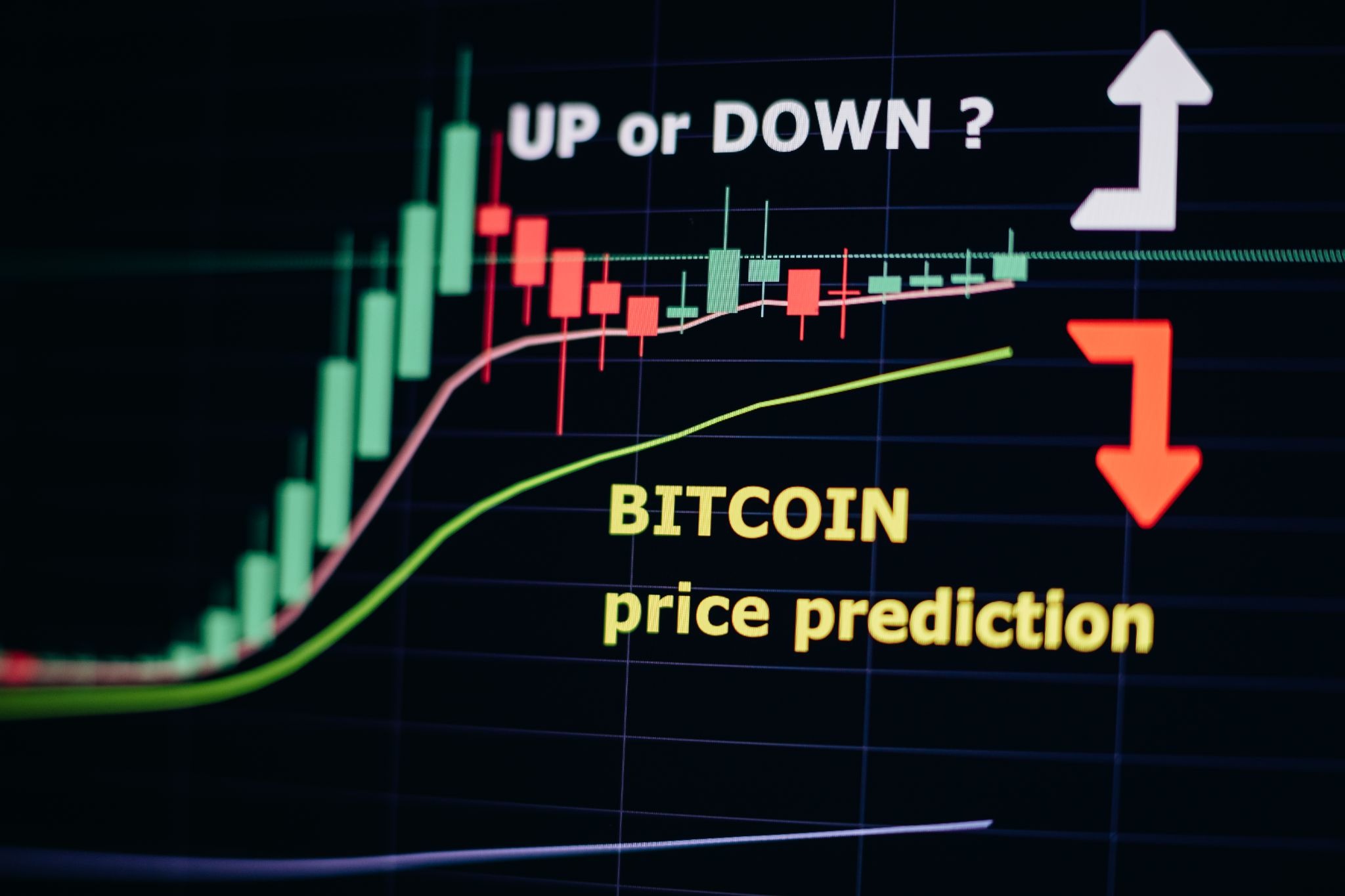
Bitcoin has always been unpredictable. It can rise fast. It can fall even faster. Traders try to make sense of it, analysts study it, and investors watch every move. That’s why many people rely on a bitcoin price forecast. Not to guarantee anything, but to understand what might come next.
Forecasts are not magic. They’re a combination of signals, data, and human behavior. They help us see patterns that aren’t obvious at first glance. When you break it down, a BTC price prediction is a puzzle made from indicators, market trends, global events, and investor psychology.
This guide walks you through the key forces that move the market. We’ll explore how analysts form a forecast, which market indicators matter most, and how to approach bitcoin trends with a balanced mindset. The goal isn’t to predict the future perfectly. It’s to be prepared.
What Shapes a Bitcoin Price Forecast?
A bitcoin price forecast is an educated guess. It’s built on research, not hope. Analysts look at the market from two angles: the real-world factors around Bitcoin and the technical behavior happening on the charts. When both sides point in the same direction, the outlook becomes clearer.
Forecasting Bitcoin is hard because the market is emotional. A single headline can shift sentiment. A policy announcement can shake the chart. A major investor can spark excitement or panic. That’s why forecasts must be flexible.
Fundamental vs. Technical Forecasting
Fundamental forecasting looks at real-world events. Securities adoption. Regulations. Economic conditions. Institutional interest. It answers the “why” behind the price.
Technical forecasting looks at chart patterns, support levels, trends, and momentum. It answers the “when” and the “how much.”
A strong BTC price prediction blends the two. Fundamentals explain direction. Technicals refine timing. Think of it like planning a trip. Fundamentals pick the destination. Technicals map the route.
Market Indicators That Influence Bitcoin Movements
Bitcoin doesn’t move because of one thing. It moves because several indicators align. When they stack together, the trend becomes hard to ignore. These indicators help create a structured bitcoin price forecast instead of a guess.
On-Chain Data Signals
On-chain data is like the heartbeat of Bitcoin. It shows what’s happening behind the scenes.
If wallet activity spikes, it suggests growing interest. If coins start leaving exchanges, it signals accumulation. When long-term holders refuse to sell, it hints at confidence.
This data helps analysts spot early signs of major shifts. It’s not about predicting the exact price. It’s about understanding the pressure building behind it.
Supply and Demand Pressures
Bitcoin’s supply is limited. That’s what makes it different from traditional money. The halving cycle cuts the supply rate every few years, and historically, that has created upward pressure over time.
Mining difficulty and hash rate trends also play a role. When miners are confident and secure, networks strengthen. When mining costs rise, weaker miners exit. That changes selling pressure and impacts price trends.
Liquidity also matters. When liquidity dries up, volatility increases. Prices swing harder because fewer coins are available to cushion buying or selling pressure.
Technical Indicators Traders Use for a BTC Price Prediction
Even investors who don’t trade often still pay attention to the charts. Technical indicators aren’t meant to predict the future with perfect accuracy. They identify possibilities and potential turning points.
Moving Averages and Trend Confirmation
Two of the most-watched tools in Bitcoin analysis are the 50-day and 200-day moving averages. They help traders see the bigger picture without getting lost in daily noise.
When the 50-day crosses above the 200-day, people call it a golden cross. It suggests potential upward momentum. When the reverse happens, it’s called a death cross, and it can warn of a downturn.
These patterns aren’t guarantees, but they act like signposts on the market road.
Momentum and Volatility Tools
Momentum indicators show strength. RSI helps reveal if the market is overheated or undervalued. Bollinger Bands highlight volatility and hint at when a big move may be building.
Volume matters too. It’s proof. If price moves without volume, it lacks conviction. If volume rises with the trend, it strengthens the signal. Trends with no energy die fast. Trends with force last longer.
Macro Forces That Impact Bitcoin Trends
Bitcoin doesn’t live in a bubble. It follows global money movements. When economies feel uncertain, investors look for alternatives. Sometimes Bitcoin becomes that alternative. Sometimes it doesn’t.
Interest Rates, Inflation, and Economic Climate
When interest rates rise, investors become cautious. Risky assets like crypto feel the pressure. When rates fall or stabilize, people hunt for higher returns, and Bitcoin often benefits.
Inflation also plays a role. Bitcoin has a fixed supply, so some investors treat it as a hedge. But not everyone agrees. The perception of Bitcoin changes with each economic cycle.
Institutional Adoption and Regulatory Shifts
Institutional interest has grown. Funds, corporations, and financial institutions now pay attention. Their involvement doesn’t guarantee price growth, but it adds legitimacy.
Regulation can move the market too. Clarity brings confidence. Confusion brings volatility. Forecasts need to account for how policies shape investor behavior.
Sentiment Indicators and Social Signals
Bitcoin is driven by emotion as much as logic. Confidence can lift prices. Fear can sink it. Understanding sentiment is part of forecasting.
Fear and Greed Index
When fear dominates, prices can fall below fair value. When greed takes over, rallies push too far too fast. Extreme emotions are often followed by corrections.
This indicator isn’t about timing the top or bottom. It helps investors avoid becoming the final buyer or the first panicked seller.
News Cycles and Market Narratives
Narratives change fast. One day the story is about adoption. The next day it’s regulation. Then it’s innovation. Headlines can become catalysts.
Understanding narratives helps forecast how the crowd might react. And in Bitcoin, crowd behavior matters.
Building a Practical Bitcoin Price Forecast Strategy
A forecast should be a process, not a prediction. It should evolve as conditions change. There’s no room for ego in forecasting. The market doesn’t care what we believe.
Short-Term vs. Long-Term Outlooks
Short-term traders think in days or weeks. They react to volatility. They watch charts closely.
Long-term investors think in cycles. They look at halving events, adoption growth, and macro conditions. They accept volatility as part of the journey.
Both approaches work. What matters is knowing which one you’re using.
Risk Management and Position Sizing
A forecast should guide decisions, not dictate them.
It should be a tool, not a trap. Managing risk protects you when the market moves against you. No one wins every trade. Surviving is part of winning.
Position sizing matters. Stop-losses matter. Taking profits matters. Emotion is the enemy.
The Role of Uncertainty in Any BTC Price Prediction
Uncertainty isn’t the enemy. It’s part of the game. Forecasts are probabilities, not promises. When conditions shift, the forecast should shift too. That flexibility is a strength, not a weakness.
The best analysts aren’t the ones who call the top or bottom. They are the ones who adapt.
Conclusion
A bitcoin price forecast isn’t about seeing the future. It’s about understanding the forces that shape it. It blends fundamentals, technical signals, sentiment, and global economics. It recognizes that the market is emotional but also structured.
Bitcoin trends are never random. They are reactions to pressure, belief, demand, and fear. Forecasting helps us navigate that landscape with clarity instead of chaos.