


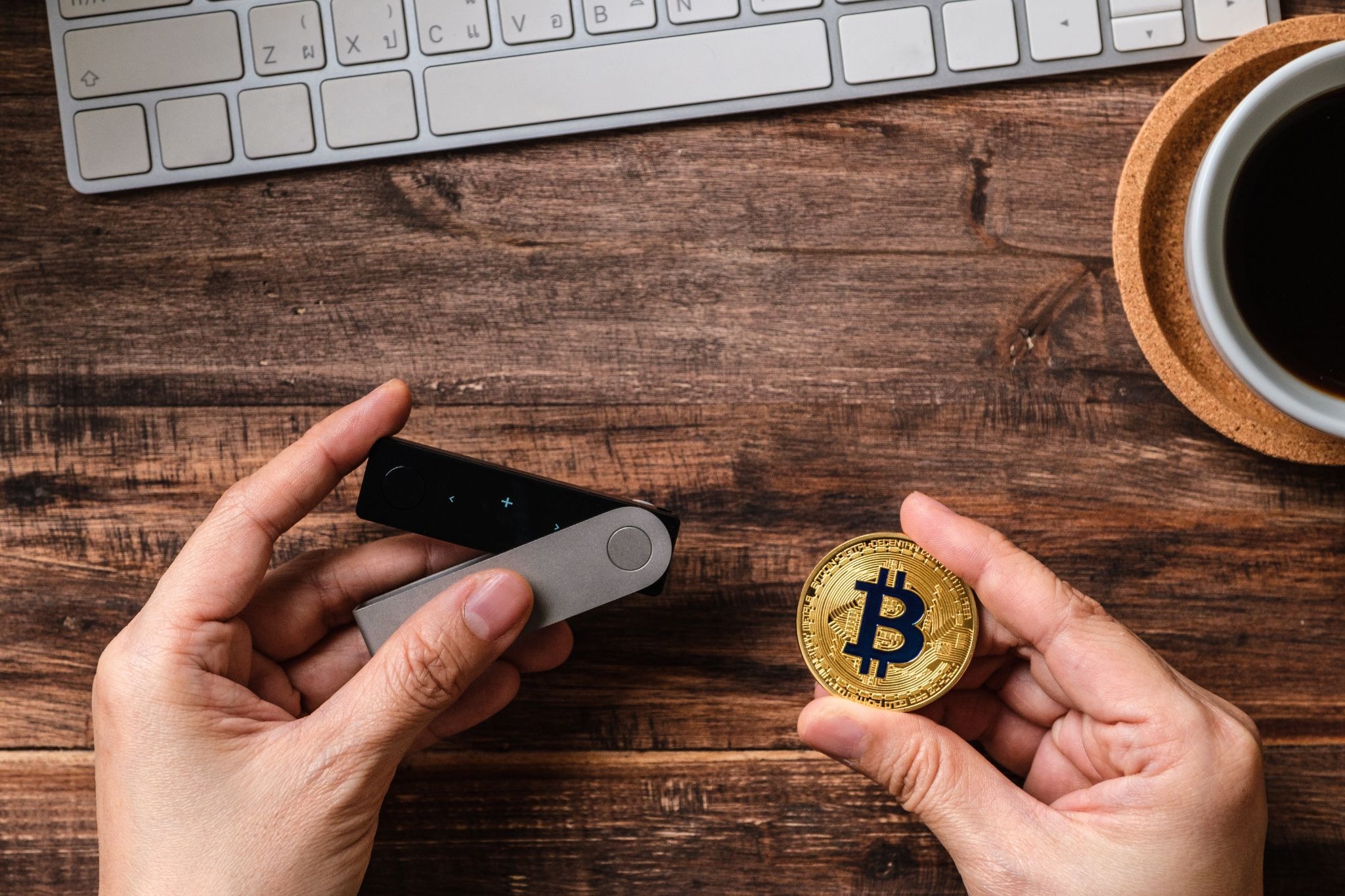
A crypto wallet is a software or hardware tool that stores the keys to your coins. Think of it as a key ring, not a bank vault. The coins themselves live on the blockchain. Your wallet only proves you own them.
An address is public. You share it to receive funds. The private key is secret. It signs transactions that move money out. Lose the key, and you lose the coins. Share it, and someone else can spend them. That’s why private key safety is the heart of any security plan.
The Two Core Components
Public address: Like an email you publish so others can send coins.
Private key: Like the password to your email. Never share it. Ever.
Cold vs Hot Wallets: Understanding Your Storage Options
You will hear the phrase cold vs hot wallets in every crypto chat room. It describes how close your keys sit to the internet.
Hot Wallets
A hot wallet stays online. Mobile apps, browser extensions, and desktop programs fall into this camp. They shine for quick trades and daily spending. The flip side is exposure. If malware or a fake site tricks you, the keys can leak.
Cold Wallets
A cold wallet holds keys offline. A hardware device, a paper sheet, or an air-gapped laptop all count. Hackers can’t reach something that never touches the web. Cold storage is perfect for long-term savings. The trade-off is convenience: you plug in, approve, unplug. A small delay, but worth the calm sleep.
When to Use Each
Hot wallets act like a checking account. Keep only what you plan to move soon. Cold wallets mimic a savings vault. Store the bulk of your stack there. Many seasoned holders split funds between both to balance speed and safety.
Private Key Safety: Rules You Never Break
Your private key or its modern cousin, the 12 or 24-word seed phrase opens every door to your assets. Treat it with near religious care.
Generation and Storage Best Practices
Start with trusted wallet software or a reputable hardware wallet. These tools create keys locally, never on a server. Write the seed phrase on paper or engrave it on a metal plate. Store it somewhere only you can reach, think a fireproof box or safe.
Secure Backups
Have at least two backups in different spots. If the house burns down, the second copy saves you. Keep them offline to block hackers and prying clouds.
What Not to Do
Don’t take screenshots or photos. Don’t drop the phrase into Google Docs or email. One leak, and it’s game over. Also, ignore anyone who asks for your key. No legit support agent needs it, ever.
Choosing Secure Crypto Wallets
All wallets promise safety. Not all deliver. Here is how to separate the real deal from shiny bait.
Software Wallet Checklist
• Open-source code lets experts audit for hidden flaws.
• Keys stay on your device, encrypted with a strong password.
• The app supports extra protection like fingerprint unlock or two-factor codes.
Hardware Wallet Checklist
• Uses a secure element chip so keys never leave the device.
• Lets you add a passphrase for another layer if the device is stolen.
• Ships with clear, unbroken seals and offers regular firmware updates.
When shopping, look for a solid track record and active community. If a device or app goes months without updates, skip it.
Everyday Security Hygiene
A strong wallet is only as safe as the habits around it. Here are simple routines that block common attacks:
• Update everything. Keep phone, computer, and wallet firmware current. Patches fix bugs hackers love.
• Double-check URLs. Phishing sites swap one letter in a domain to steal keys. Bookmark official pages and use them.
• Beware public Wi-Fi. Free hotspots can spy. Use a trusted home network or a good VPN when you must connect on the go.
• Lock your devices. A stolen laptop with an open wallet app is an open vault.
Small steps, huge payoff.
What to Do if a Key Is Lost or Compromised
Panic helps no one. Move fast, stay calm.
Transfer funds. If you still have access, send coins to a fresh wallet with new keys.
Rotate addresses. Update any services, smart contracts, or friends that send you funds.
Record the event. Losses can affect taxes. Keep notes and any police reports.
Review your setup. Find the gap that caused the leak and close it before restocking the wallet.
Conclusion
Crypto rewards the bold but punishes the careless. With the right mix of tools and habits, you can enjoy the upside while sleeping soundly.
Choose a reputable hot wallet for day-to-day moves.
Pick a proven cold wallet for long-term storage.
Guard your private key like the crown jewels.
Keep software patched and double-check every link you click.
If trouble strikes, act quickly and learn from it.
In crypto you are your own bank. The responsibility feels heavy at first, then empowering. Adopt these practices today, and your digital assets will still be yours tomorrow—no matter what headline hits next.
Frequently Asked Questions
Q 1: Can I store all my coins on one exchange wallet and skip the hassle?
Exchanges work for quick trades but hold your keys, not you. If the platform freezes withdrawals or gets hacked, your coins vanish. A personal wallet gives real control.
Q 2: Are mobile wallets safe enough for everyday use?
Yes, for small amounts. Use a reputable app, set a strong passcode, and enable biometric lock. Treat it like the cash in your pocket, not your life savings.
Q 3: What happens if my hardware wallet breaks?
Your coins are fine. Buy a new device, enter the seed phrase, and you are back in business. The phrase, not the gadget, controls the funds.